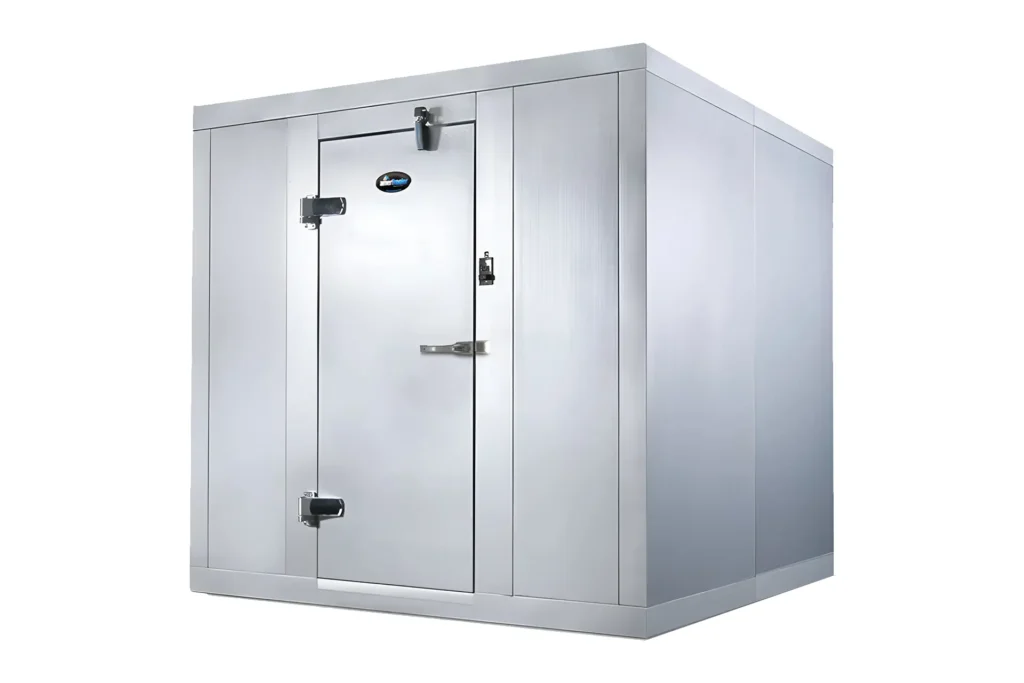
In the relentless, high-stakes ecosystem of Manhattan’s hospitality industry, there is no room for error. Whether you are running a Michelin-starred restaurant in Chelsea, a high-volume boutique hotel in the Upper East Side, or a bustling bodega in the East Village, your refrigeration system is the silent heart of your operation. Specifically, the Cold Room—the walk-in cooler or freezer—is where your capital is stored. A single degree of temperature fluctuation can mean the difference between a successful service and thousands of dollars in wasted inventory.
At Soaring Eagle HVAC Inc., based right here on 205 Avenue C, we understand that Manhattan real estate presents unique challenges. This comprehensive guide explores the critical aspects of cold room construction, the nuances of preventative maintenance, and why professional oversight is the only way to ensure compliance with strict NYC Health Codes.
1. The Manhattan Context: Why Custom Construction is Mandatory
Building a cold room in New York City is vastly different from building one in a sprawling suburban warehouse. In Manhattan, every square inch of real estate is a premium asset. Most commercial kitchens are located in historic buildings with irregular layouts, narrow corridors, and basement spaces that were never originally intended for industrial cooling.
Bespoke Design vs. Pre-fabricated Units
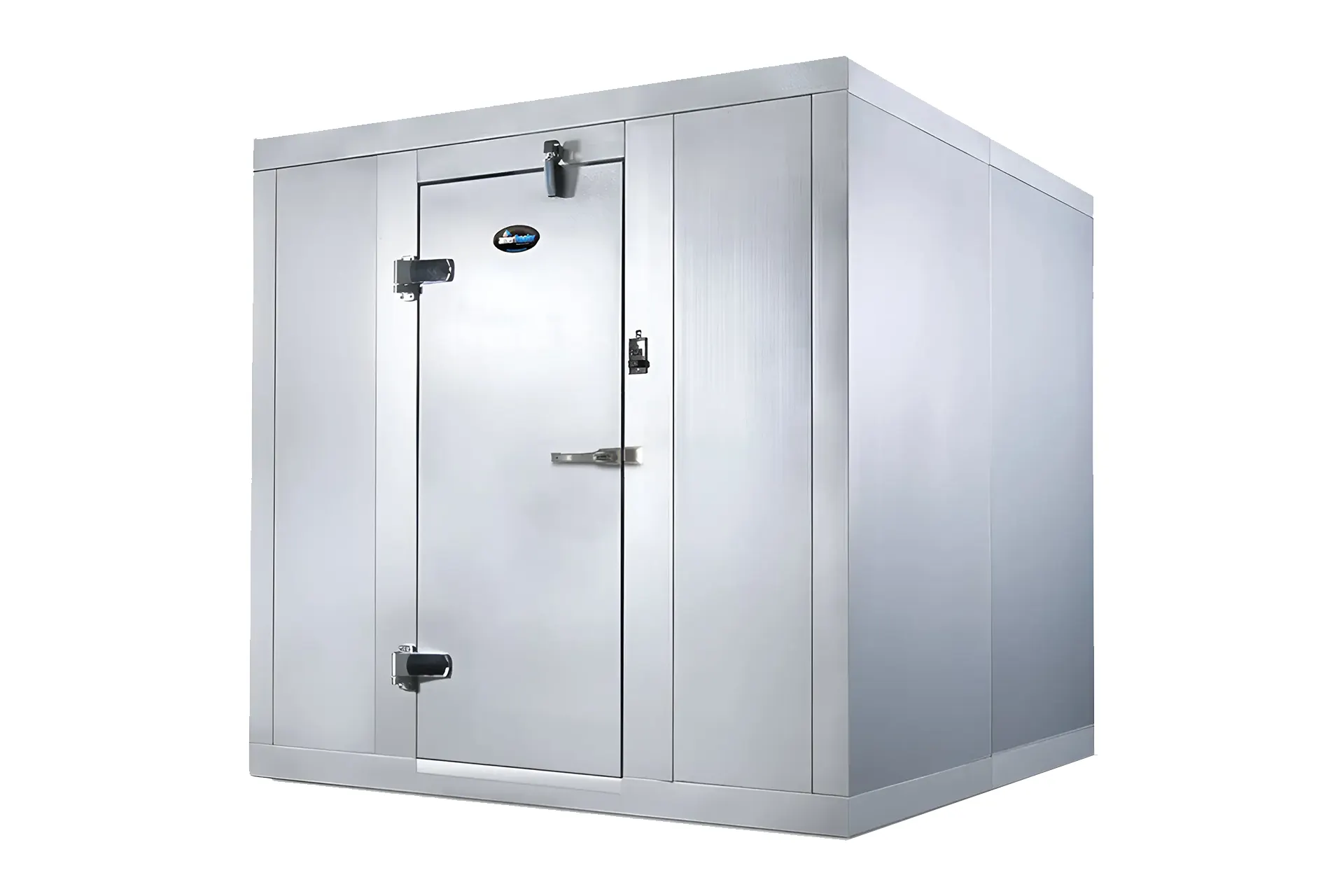
While pre-fabricated walk-in coolers are available, they rarely fit the “puzzle-piece” nature of Manhattan architecture. Custom Cold Room Manufacturing allows businesses to:
- Maximize Storage Volume: Utilizing vertical space and alcoves that standard units would waste.
- Navigate Structural Obstacles: Building around support beams, pipes, and unconventional ceiling heights.
- Optimize Workflow: Designing door placements that align with the kitchen’s “line” to reduce foot traffic and temperature loss.
Statistics on Energy and Space
According to recent hospitality energy audits, commercial refrigeration accounts for up to 40% of a restaurant’s total electric bill. In NYC, where utility rates are among the highest in the nation, an improperly insulated or poorly designed cold room can bleed profits faster than a leaky pipe.
2. Engineering Excellence: The Core Components of a High-Performance Cold Room
To build a cold room that survives the humidity of a New York summer and the demands of a 24-hour hotel operation, you must focus on four technical pillars:
A. Thermal Insulation (The R-Value)
In the world of refrigeration, the R-value measures the thermal resistance of the insulation. In Manhattan, we recommend high-density polyurethane panels. These panels provide superior insulation with a thinner profile, saving precious floor space while maintaining a strict thermal barrier.
- Freezers: Require a minimum of 4 inches of insulation.
- Coolers: Require a minimum of 3 inches.
B. The Refrigeration Cycle: Compressors and Evaporators
The “engine” of your cold room must be sized correctly. An oversized compressor will “short-cycle,” leading to premature wear and high energy spikes. An undersized unit will run constantly, failing to keep food at safe temperatures during peak hours when doors are frequently opened.
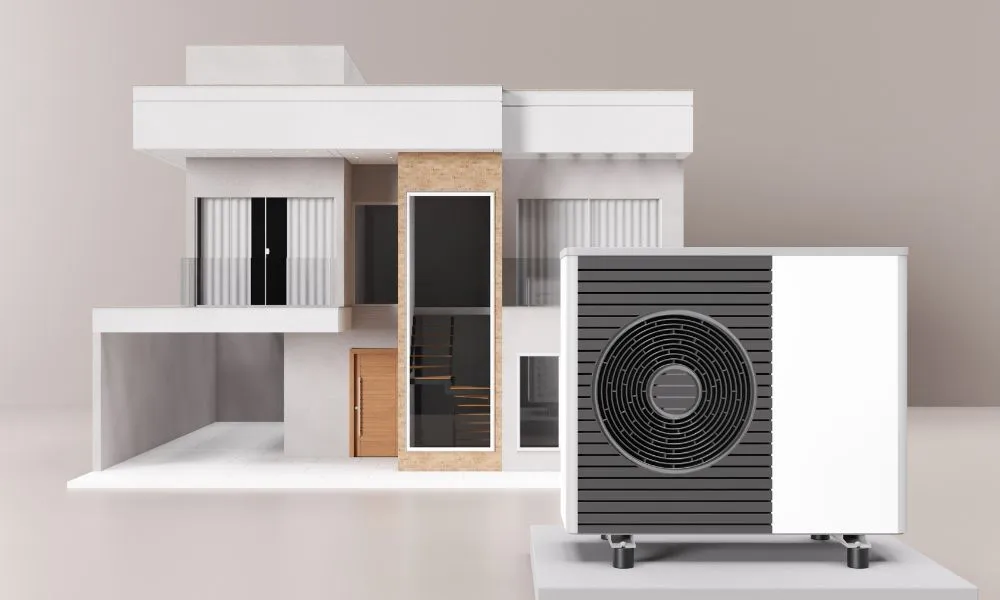
- Pro Tip: For NYC hotels, we often recommend remote condensing units. By placing the compressor on a rooftop or in a ventilated mechanical room, we keep the heat and noise out of the kitchen environment.
C. Digital Controllers and Monitoring
Modern Cold Room Construction incorporates smart controllers. These systems allow managers to monitor temperatures via smartphone apps. In a city that never sleeps, knowing your walk-in is at exactly 38°F while you are off-site provides invaluable peace of mind.
D. Flooring and Drainage
Often overlooked, the floor must be reinforced to handle heavy shelving and rolling racks. Proper sloped drainage is essential to prevent standing water, which is a major red flag during NYC Health Department (DOHMH) inspections.
3. Preventative Maintenance: Your Shield Against “The Big Fail”
In the HVAC world, there is a saying: “Maintenance is cheap; repair is expensive; replacement is a catastrophe.” For a Manhattan restaurant, a cold room failure on a Friday night is a catastrophe.
The Maintenance Checklist for NYC Hospitality
- Coil Cleaning: Manhattan air is filled with dust and particulates. Evaporator and condenser coils must be cleaned quarterly to ensure efficient heat exchange.
- Gasket Inspection: The rubber seals (gaskets) on doors are the most common point of energy loss. A cracked gasket allows humid NYC air into the room, causing ice buildup on the coils.
- Refrigerant Levels: Small leaks are common in older Manhattan buildings due to vibration from subways and heavy traffic. Regular pressure checks prevent the compressor from burning out.
- Drain Line Clearing: Biofilm can clog drain lines, leading to water leaks that damage floors and attract pests.
The Cost of Neglect
Statistical data from the National Restaurant Association indicates that the average mid-sized restaurant loses between $5,000 and $15,000 per year due to avoidable food spoilage and energy inefficiency caused by poor refrigeration maintenance.
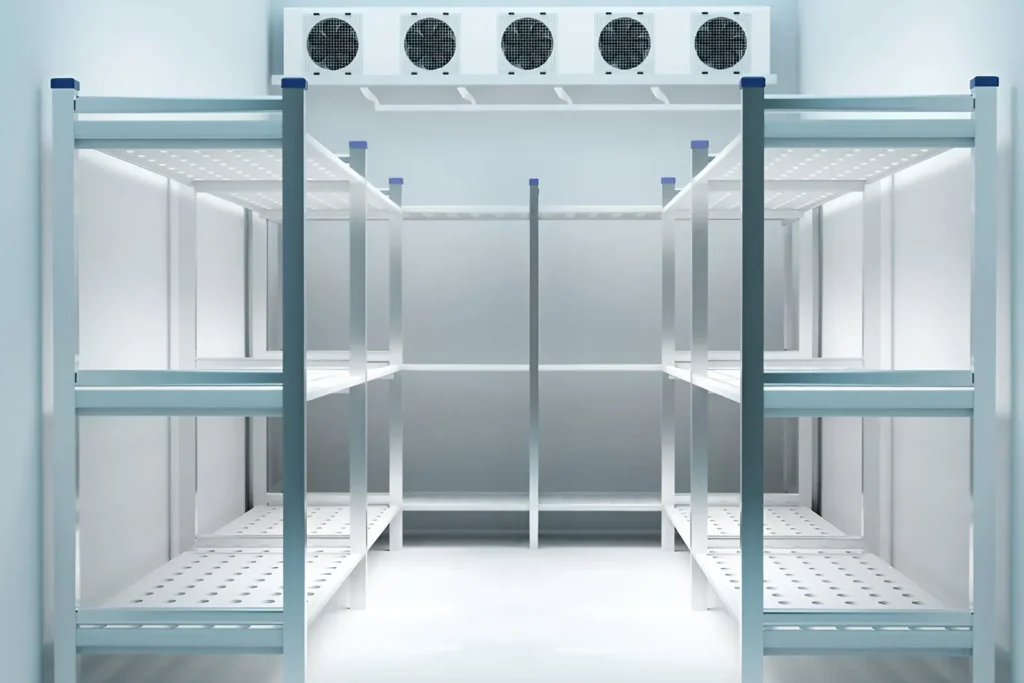
4. NYC Health Code Compliance and Safety
The New York City Department of Health and Mental Hygiene (DOHMH) is famously strict regarding cold storage. To avoid heavy fines or closure, your cold room must meet specific criteria:
- Temperature Consistency: Walk-in coolers must maintain food at or below 41°F (5°C).
- Internal Thermometers: Must be calibrated and clearly visible to inspectors.
- Safety Release Latches: Every cold room must have an internal safety release to prevent personnel from being trapped inside—a legal requirement that Soaring Eagle HVAC Inc. checks during every service call.
- Lighting: Must be shatterproof and provide adequate lumens for cleaning and inspection.
5. Troubleshooting Common Cold Room Issues
Even with the best construction, the environment in Manhattan is harsh. Here are the most frequent issues we see at Soaring Eagle HVAC Inc.:
Issue: Ice Buildup on the Evaporator
- Cause: Often caused by leaving the door open too long or a faulty defrost timer.
- Result: The unit stops cooling entirely because air cannot flow through the ice-clogged fins.
- Solution: Professional de-icing and recalibration of the defrost cycle.
Issue: The Compressor “Hums” but Won’t Start
- Cause: Usually a failed capacitor or an electrical surge (common in NYC’s aging power grid).
- Solution: Immediate electrical component replacement to avoid burning out the entire motor.
Issue: Strange Odors or Mold
- Cause: Poor airflow or clogged drains.
- Result: Immediate Health Code violation.
- Solution: Deep sanitization and fan speed adjustment.
6. The Bilingual Advantage in Manhattan’s Kitchens
In Manhattan, the hospitality workforce is beautifully diverse. We have found that technical errors often occur simply because of a breakdown in communication between management and the kitchen staff.
At Soaring Eagle HVAC Inc., our team is fully bilingual in English and Spanish. This allows us to:
- Train kitchen staff in their native language on how to properly close doors and report early warning signs.
- Explain complex technical repairs to owners while simultaneously coordinating with the back-of-house staff.
- Ensure that nothing is “lost in translation” when a business’s livelihood is on the line.
7. Conclusion: Investing in Reliability
A cold room is not just a box that stays cold; it is a precision-engineered environment. For restaurants and hotels in Manhattan, where the pace is fast and the margins are thin, having a local partner on Avenue C means the difference between a minor adjustment and a total shutdown.
Whether you are planning a new custom cold room construction or you need a urgent repair for your existing system, remember that professional expertise is the only way to protect your inventory, your customers, and your reputation.
Need Expert Cold Room Solutions in Manhattan?
Don’t wait for an emergency to protect your inventory. Whether you’re building a new restaurant or need to secure your hotel’s refrigeration system, Soaring Eagle HVAC Inc. is your local, bilingual partner in the heart of NYC.
- Custom Cold Room Manufacturing
- Preventative Maintenance Programs
- Rapid-Response Repairs
- NYC Health Code Compliance Checks
Contact us today to schedule your professional evaluation.
📞 Call Now: +1 (917) 498-6394
📍 Visit Us: 205 Avenue C, New York, NY 10009
🌐 Visit Our Website: soaringeaglehvacinc.com
Soaring Eagle HVAC Inc. – Keeping Manhattan’s Hospitality Industry Running Cool.